Author: Katerina Stafford

What Is Pest Control and Why Is It Essential for Your Home and Property

Every homeowner wants a clean, comfortable, and safe place to live, but unwanted pests can quickly disrupt that sense of security. From ants marching across kitchen countertops and rodents hiding behind walls to termites silently damaging wooden structures and mosquitoes invading outdoor spaces, pests can create a wide range of problems that go far beyond simple inconvenience. Many infestations begin quietly, often going unnoticed until significant damage has already occurred. This is why pest control is one of the most important aspects of responsible property maintenance. Rather than simply eliminating insects or rodents after they appear, effective pest control focuses on preventing infestations, protecting the structure of the home, and maintaining a healthier living environment for everyone.
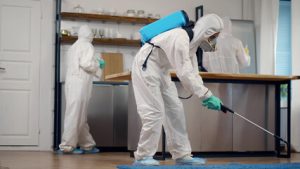
pest control

Modern pest control combines inspection, prevention, monitoring, sanitation, exclusion, and targeted treatments to manage unwanted pests in a safe and effective manner. It is a proactive approach that addresses not only the pests themselves but also the conditions that attract them. Whether you own a newly built home or an older property, investing in routine pest control can help preserve your home’s value, reduce long-term repair costs, and provide greater peace of mind. Understanding what pest control involves and why it is essential for your home and property allows homeowners to make informed decisions about protecting one of their most valuable investments. Click Here to find out more details.

What Is Pest Control?

Pest control is the process of identifying, preventing, managing, and eliminating unwanted insects, rodents, and other organisms that can threaten homes, buildings, landscapes, and human health. While many people associate pest control only with spraying chemicals, modern pest management is much more comprehensive.

A successful pest control program begins with understanding the type of pest involved, locating the source of the infestation, identifying entry points, and evaluating the environmental conditions that allow pests to survive. From there, appropriate control methods are used to reduce pest activity while minimizing unnecessary disruption to the property.

The ultimate goal is not only to remove existing pests but also to prevent future infestations through long-term maintenance and preventive strategies.

Why Pests Invade Homes

Pests enter residential properties for the same reasons that people seek shelter: food, water, and protection from the elements. Homes provide an abundance of these resources, making them attractive environments for many different species.

Small gaps around doors and windows, foundation cracks, damaged vents, plumbing penetrations, roof openings, and utility lines all provide opportunities for pests to enter. Once inside, kitchens, bathrooms, basements, attics, crawl spaces, garages, and storage areas often supply ideal conditions for nesting and reproduction.

Even clean homes may experience pest activity if moisture problems, structural openings, or accessible food sources are present.

Common Household Pests

Numerous pests can invade residential properties, each creating unique challenges for homeowners.

Some of the most common household pests include:

  1. Ants.
  2. Cockroaches.
  3. Rodents.
  4. Termites.
  5. Spiders.
  6. Mosquitoes.
  7. Wasps.
  8. Fleas.
  9. Bed bugs.
  10. Silverfish.

Each pest behaves differently, which is why identifying the specific type of infestation is an important part of developing an effective control strategy.

The Risks Associated with Pest Infestations

Many homeowners initially view pests as little more than an annoyance. However, infestations often create problems that affect health, property, finances, and daily comfort.

Rodents may chew electrical wiring, increasing fire risks. Termites can silently weaken structural wood, resulting in costly repairs. Cockroaches and rodents contaminate food preparation areas, while mosquitoes and other biting insects make outdoor spaces less enjoyable.

Some pests also contribute to allergies or respiratory irritation through droppings, shed skins, or nesting materials.

Prompt pest control helps reduce these risks before they become more serious.

Early Detection Is the Key to Prevention

One of the greatest advantages of routine pest control is the ability to identify problems before they become widespread. Small infestations are typically much easier and less expensive to manage than established colonies.

Warning signs homeowners should watch for include:

  • Droppings.
  • Gnaw marks.
  • Damaged wood.
  • Small piles of sawdust-like material.
  • Grease marks along walls.
  • Unusual odors.
  • Dead insects.
  • Scratching sounds inside walls.
  • Visible insect trails.
  • Nesting materials.

Recognizing these signs early allows homeowners to respond quickly and minimize damage.

Pest Control Protects Your Home’s Structure

Certain pests are capable of causing extensive structural damage if left untreated. Wood-destroying insects gradually weaken framing, flooring, trim, and other wooden components, often remaining hidden for long periods before homeowners notice visible damage.

Rodents may chew insulation, plumbing materials, drywall, and electrical wiring, while moisture-loving insects frequently exploit damp building materials.

Routine inspections help identify these problems before structural deterioration becomes severe, reducing repair costs and preserving the home’s overall condition.

Protecting Your Family’s Health

One of the most important reasons for investing in pest control is protecting household health. Many pests contaminate surfaces, food supplies, and indoor air quality through droppings, urine, saliva, or decomposing nesting materials.

Some pests may also carry bacteria or other harmful microorganisms that increase sanitation concerns within the home.

Maintaining a pest-free environment supports cleaner living conditions while reducing potential exposure to contaminants and allergens that can affect family members.

Preventing Food Contamination

Kitchens and pantries often become primary targets for insects and rodents because they provide consistent access to food.

Pests frequently contaminate food packaging, cabinets, countertops, and storage areas while searching for meals. Even unopened food may become compromised if rodents chew through packaging or insects invade storage containers.

Proper food storage, regular cleaning, and routine pest inspections greatly reduce the likelihood of contamination while helping maintain a healthier kitchen environment.

The Importance of Preventive Pest Control

Many homeowners wait until they see pests before taking action. Unfortunately, by the time insects or rodents become visible, infestations may already be well established.

Preventive pest control focuses on reducing conditions that attract pests before infestations develop.

Key preventive measures include:

  1. Sealing structural entry points.
  2. Eliminating moisture problems.
  3. Proper food storage.
  4. Regular cleaning.
  5. Yard maintenance.
  6. Routine inspections.
  7. Waste management.

Preventive strategies often save homeowners significant time and money by reducing the need for larger treatments later.

Keeping the Outside of Your Property Pest-Free

Effective pest control extends beyond the walls of the home. Outdoor conditions frequently determine whether pests will attempt to enter the property.

Maintaining the landscape plays a major role in prevention. Keeping shrubs trimmed away from the home, removing yard debris, eliminating standing water, storing firewood away from the foundation, and maintaining clean gutters all reduce attractive nesting areas.

Well-maintained landscaping also improves visibility during inspections and minimizes potential pest harborage areas.

Common Pest Control Mistakes

Many homeowners unintentionally make mistakes that encourage pest activity or reduce the effectiveness of control efforts.

Some common mistakes include:

  1. Ignoring small infestations.
  2. Delaying structural repairs.
  3. Allowing food crumbs to accumulate.
  4. Overlooking moisture leaks.
  5. Storing clutter against walls.
  6. Leaving garbage containers uncovered.
  7. Failing to inspect attics and crawl spaces.
  8. Using temporary solutions without addressing root causes.

Correcting these habits significantly improves long-term pest prevention.

Integrated Pest Management

Modern pest control increasingly emphasizes Integrated Pest Management, often referred to as IPM. This approach combines multiple strategies to reduce pest populations while minimizing unnecessary pesticide use.

Integrated Pest Management typically includes:

  • Routine inspections.
  • Monitoring pest activity.
  • Habitat modification.
  • Structural repairs.
  • Sanitation improvements.
  • Targeted treatments when necessary.

Rather than relying solely on chemical applications, IPM addresses the underlying environmental factors that support pest infestations.

This balanced approach promotes more sustainable and effective long-term pest management.

Seasonal Pest Activity

Different pests become more active during different times of the year. Seasonal inspections help homeowners prepare for changing pest pressures before infestations occur.

Warmer months often bring increased activity from ants, mosquitoes, flies, and stinging insects, while cooler weather frequently encourages rodents to seek shelter indoors.

Regular seasonal maintenance, including sealing gaps, inspecting the home’s exterior, cleaning gutters, and removing yard debris, helps reduce opportunities for pests to establish themselves.

Remaining proactive throughout the year strengthens the effectiveness of any pest control program.

Long-Term Benefits of Routine Pest Control

Routine pest control offers benefits that extend far beyond eliminating insects and rodents. Consistent maintenance protects structural components, improves sanitation, reduces repair costs, enhances indoor comfort, and supports healthier living conditions.

Homeowners who schedule regular inspections are also more likely to identify moisture problems, structural vulnerabilities, and maintenance issues before they become expensive repairs.

Over time, preventive pest control contributes to preserving both the appearance and long-term value of the property while providing greater confidence that the home remains protected.

When Professional Pest Control Becomes Necessary

Although homeowners can often manage minor pest issues through good sanitation and preventive maintenance, larger infestations may require professional assistance. Hidden colonies, recurring infestations, or pests that cause structural damage often require specialized knowledge, equipment, and treatment strategies.

Professionals can conduct comprehensive inspections, identify hidden nesting areas, locate entry points, and develop customized pest management plans based on the specific needs of the property.

Seeking professional help early frequently prevents more extensive damage while reducing the time required to regain control of the infestation.

Pest control is far more than simply eliminating insects or rodents after they appear. It is a comprehensive approach to protecting your home, your family’s health, and your property’s long-term value. Through routine inspections, preventive maintenance, sanitation, structural repairs, landscape management, and targeted control measures, homeowners can significantly reduce the risk of infestations while maintaining a cleaner and safer living environment.

By understanding what pest control involves and making it a regular part of home maintenance, property owners can avoid many of the costly repairs and health concerns associated with unchecked pest activity. Whether preventing termites from damaging wood, keeping rodents out of the attic, or reducing seasonal insect activity, effective pest control provides lasting benefits that extend well beyond simple convenience. Investing in prevention today helps ensure a healthier, more comfortable, and better-protected home for years to come.
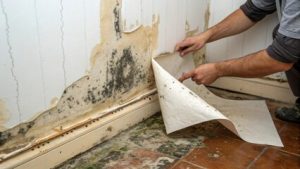
Water Damage Restoration: A Multi-Step Process

Water damage is one of the most disruptive problems a homeowner can experience. Whether caused by a burst pipe, roof leak, overflowing appliance, plumbing malfunction, or severe weather, unwanted water can quickly spread throughout a property and affect floors, walls, ceilings, furniture, insulation, and personal belongings. What begins as a small leak can escalate into extensive structural damage if moisture is allowed to remain inside the home. Beyond the immediate inconvenience, untreated water damage often leads to mold growth, unpleasant odors, weakened building materials, and costly repairs. For these reasons, water damage restoration should never be viewed as a simple cleanup task. Instead, it is a carefully planned, multi-step process designed to return a property to a safe, clean, and fully functional condition.

water damage restoration

Professional water damage restoration involves much more than removing standing water. It includes detailed inspections, moisture detection, structural drying, sanitization, repairs, and continuous monitoring to ensure hidden moisture does not remain trapped inside the building. Every stage of the restoration process plays a vital role in minimizing long-term damage while protecting the home’s structural integrity. Understanding each step helps homeowners appreciate why prompt action and proper restoration techniques are essential after any water-related emergency. Read on or Know More Here.

Understanding Water Damage

Water damage occurs whenever excess moisture enters areas of a building that are not designed to remain wet. Depending on the amount of water, the source of the leak, and how long the moisture remains, the damage may range from minor cosmetic issues to severe structural deterioration.

Building materials such as drywall, wood, insulation, carpeting, and subflooring readily absorb moisture. Once water penetrates these materials, it often spreads far beyond the area where the leak originally occurred. Hidden moisture inside walls, beneath flooring, or above ceilings can continue causing damage long after visible water has disappeared.

Because of this, successful restoration requires identifying both visible and concealed moisture throughout the property.

Common Causes of Water Damage

Water damage can result from numerous household situations, many of which occur unexpectedly.

Some of the most common causes include:

  1. Burst or leaking plumbing pipes.
  2. Roof leaks.
  3. Overflowing sinks, bathtubs, or toilets.
  4. Appliance malfunctions.
  5. Water heater failures.
  6. Foundation seepage.
  7. Storm-related flooding.
  8. Blocked gutters and drainage systems.
  9. HVAC system leaks.
  10. Hidden plumbing failures behind walls.

Although the source of the water may differ, the restoration process follows a structured approach that focuses on minimizing damage and restoring the property safely.

Step 1: Emergency Assessment and Inspection

Every successful restoration project begins with a thorough inspection of the affected property. The purpose of this initial assessment is to determine the extent of the damage, identify the source of the water, and evaluate which building materials have been affected.

During this stage, restoration professionals inspect floors, walls, ceilings, insulation, cabinetry, and structural components. Specialized moisture detection equipment helps locate hidden water that may not be visible during a standard visual inspection.

This detailed evaluation serves as the foundation for developing an effective restoration plan tailored to the specific needs of the property.

Step 2: Stopping the Water Source

Before restoration can proceed, the source of the water intrusion must be identified and stopped. Continuing leaks will undermine every subsequent restoration effort by introducing additional moisture into the building.

Depending on the cause, this may involve shutting off the main water supply, repairing damaged plumbing, addressing roof leaks, correcting appliance failures, or improving drainage around the home.

Once the source has been controlled, restoration efforts can focus entirely on removing existing water and drying the structure.

Step 3: Water Extraction

Removing standing water is one of the most important stages of the restoration process. The faster excess water is extracted, the lower the risk of permanent structural damage.

Industrial extraction equipment removes large volumes of water far more efficiently than household wet vacuums or mops. Quick extraction also reduces the amount of moisture absorbed by flooring, drywall, insulation, and wood framing.

Prompt water removal helps limit swelling, warping, staining, and deterioration while preparing the property for the drying stage.

Step 4: Removing Unsalvageable Materials

Not every material affected by water can be successfully restored. Depending on the severity of the damage, certain building materials or personal belongings may require removal to protect the rest of the property.

Examples include severely saturated drywall, insulation, carpeting, padding, damaged ceiling materials, and contaminated porous items.

Removing compromised materials also improves airflow throughout the affected areas, allowing the remaining structure to dry more efficiently.

Step 5: Moisture Detection

Although visible water may already be gone, significant moisture often remains hidden inside structural components.

Professional restoration teams use advanced moisture meters, thermal imaging equipment, and humidity monitoring devices to identify areas that continue to retain water.

Common hidden moisture locations include:

  • Behind drywall.
  • Under flooring.
  • Inside insulation.
  • Around windows.
  • Beneath cabinets.
  • Inside wall cavities.
  • Around structural framing.

Identifying these hidden moisture pockets prevents long-term deterioration and reduces the risk of mold growth.

Step 6: Structural Drying

Once standing water has been removed, the drying process begins. This stage is often more time-consuming than water extraction because moisture trapped inside building materials must be gradually removed without causing additional damage.

High-capacity air movers circulate air throughout the property while commercial dehumidifiers remove excess moisture from the surrounding environment.

Carefully controlled drying conditions help restore wood, drywall, concrete, and other structural materials while minimizing warping, cracking, or shrinkage.

Throughout this process, moisture levels are monitored regularly to verify drying progress.

Step 7: Dehumidification

Drying building materials alone is not enough. Moisture also remains suspended in the air, creating elevated humidity levels that can slow drying and encourage mold development.

Commercial dehumidification equipment continuously removes water vapor from the indoor environment, helping maintain optimal drying conditions.

Lower humidity levels accelerate moisture evaporation from walls, flooring, ceilings, and structural framing while improving overall restoration efficiency.

Proper humidity control plays a crucial role in preventing secondary damage during restoration.

Step 8: Cleaning and Sanitizing

Water damage frequently leaves behind dirt, debris, bacteria, and unpleasant odors depending on the source of the water.

After drying is complete, affected surfaces are thoroughly cleaned and sanitized to restore a healthy indoor environment. Cleaning procedures may include disinfecting hard surfaces, removing residues, cleaning salvageable furniture, and treating structural materials.

Sanitization is especially important when water originates from contaminated sources, as harmful microorganisms may be present.

A clean environment also helps eliminate lingering odors associated with water damage.

Step 9: Odor Removal

One of the most persistent challenges following water damage is unpleasant odors caused by damp materials and microbial activity.

Professional odor removal techniques address the source of the odor rather than simply masking it. Thorough drying, cleaning, and air purification work together to restore fresh indoor air quality.

Addressing odors early also improves overall comfort as restoration progresses.

Step 10: Repairs and Reconstruction

Once the property is completely dry and sanitized, attention shifts toward restoring damaged building materials and finishes.

Repair work may include replacing drywall, repainting walls, installing new flooring, repairing trim, reinstalling insulation, replacing cabinets, restoring ceilings, and completing finish carpentry.

The goal of this stage is to return the property to its pre-damage condition while ensuring every repaired area functions safely and efficiently.

Step 11: Final Inspection

Before restoration is considered complete, a comprehensive final inspection verifies that every affected area has been properly restored.

Professionals confirm that moisture levels have returned to acceptable ranges, repairs meet quality standards, and the home is clean, dry, and safe for normal occupancy.

This final walkthrough also provides homeowners with confidence that no hidden moisture remains capable of causing future problems.

Why Speed Is Critical

The success of water damage restoration depends heavily on how quickly the process begins. Water continues affecting building materials every hour it remains inside the property.

Rapid response offers several important benefits:

  1. Reduces structural damage.
  2. Limits mold growth.
  3. Preserves flooring and cabinetry.
  4. Improves salvageability of personal belongings.
  5. Lowers overall restoration costs.
  6. Shortens project timelines.
  7. Protects indoor air quality.

Early intervention consistently produces better restoration outcomes than delayed action.

Common Mistakes Homeowners Should Avoid

Although homeowners naturally want to protect their property, certain mistakes can unintentionally increase the severity of water damage.

Some common errors include:

  1. Waiting too long before beginning cleanup.
  2. Assuming surfaces are completely dry.
  3. Ignoring hidden moisture.
  4. Using household fans as the only drying method.
  5. Replacing materials before proper drying.
  6. Overlooking small leaks.
  7. Failing to inspect surrounding areas.

Avoiding these mistakes significantly reduces the likelihood of long-term structural issues.

Preventing Future Water Damage

While not every water emergency can be prevented, proactive maintenance greatly reduces the likelihood of unexpected problems.

Homeowners should routinely inspect plumbing systems, roofing materials, windows, appliances, water heaters, gutters, and drainage systems for signs of wear or leaks.

Additional preventive measures include repairing leaks immediately, cleaning gutters regularly, monitoring water pressure, replacing aging plumbing components, and ensuring proper grading around the home’s foundation.

Regular maintenance helps identify developing issues before they result in major water damage.

The Long-Term Benefits of Professional Water Damage Restoration

Professional restoration provides lasting advantages that extend well beyond immediate cleanup. Thorough restoration helps preserve structural integrity, improve indoor air quality, reduce mold risks, and extend the lifespan of building materials.

It also minimizes the likelihood of recurring moisture problems by identifying hidden damage that might otherwise go unnoticed. Homeowners benefit from greater peace of mind knowing the property has been carefully inspected, properly dried, thoroughly sanitized, and restored using a systematic process.

Rather than focusing solely on visible damage, professional restoration addresses the entire moisture problem, ensuring the home remains safe, healthy, and comfortable for years to come.

Water damage restoration is a carefully coordinated multi-step process that goes far beyond removing standing water. From the initial inspection and water extraction to structural drying, dehumidification, cleaning, repairs, and final inspection, each stage plays a critical role in restoring a property safely and effectively. Every step is designed to eliminate moisture, protect structural components, reduce the risk of mold, and return the home to its original condition as efficiently as possible.

For homeowners, understanding this restoration process highlights the importance of acting quickly whenever water damage occurs. Prompt intervention, combined with thorough restoration techniques and ongoing preventive maintenance, helps protect one of your most valuable investments while reducing the risk of costly long-term repairs. By viewing water damage restoration as a comprehensive process rather than a simple cleanup, homeowners can make informed decisions that support the safety, durability, and value of their property.

Navigation